A credit card can be useful when you need to pay for an unexpected repair, book travel or manage everyday purchases. The problem begins when the balance stays unpaid month after month. Interest adds to the amount owed, and a payment that once seemed manageable can gradually become a financial burden.
Credit card debt remains an important household finance issue in 2026. The Federal Reserve Bank of New York reported that US credit card balances reached approximately $1.29 trillion in the third quarter of 2026, an increase of $22 billion from the previous quarter. Total US household debt reached $19.1 trillion.
These figures describe US borrowers, not every country. However, the underlying lesson is relevant to households everywhere: borrowing becomes expensive when balances grow faster than repayments.
Why credit card balances can become difficult to manage
1. Everyday expenses are taking up more of the budget
Housing, groceries, transport, insurance and utility bills can leave households with less money available at the end of the month. When savings are limited, a credit card may become a temporary way to cover the gap. For a wider look at how these costs fit together, see our guide to the rising cost of living.
The risk is that temporary borrowing becomes a regular habit. If the next month’s income is already committed to previous purchases, there may be little room to repay the balance.
2. Interest makes unpaid balances more expensive
Credit card interest is one of the main reasons debt can grow. If you carry a balance, interest charges may be added according to the card’s agreement and calculation method. Changes in broader interest rates can also influence the cost of borrowing over time.
For example, imagine a card balance of $3,000 with an illustrative annual percentage rate (APR) of 24%. A simplified monthly interest estimate is:
$3,000 × 24% ÷ 12 = $60
This is only an illustration. Actual interest depends on the issuer’s calculation method, daily balances, transactions, fees and payment timing.
If new purchases continue while repayments remain low, the balance may take much longer to clear.
3. Minimum payments can create a false sense of progress
Paying at least the minimum amount helps avoid a missed-payment situation, but it does not necessarily reduce the balance quickly.
The Consumer Financial Protection Bureau (CFPB) explains that paying more than the minimum can reduce interest costs and help clear a balance faster. The minimum payment is not a recommended debt-repayment target.
Five practical ways to avoid the credit card debt trap
1. Stop adding to the balance
Start by identifying which expenses are going onto your credit card. Separate essential spending from purchases that can wait.
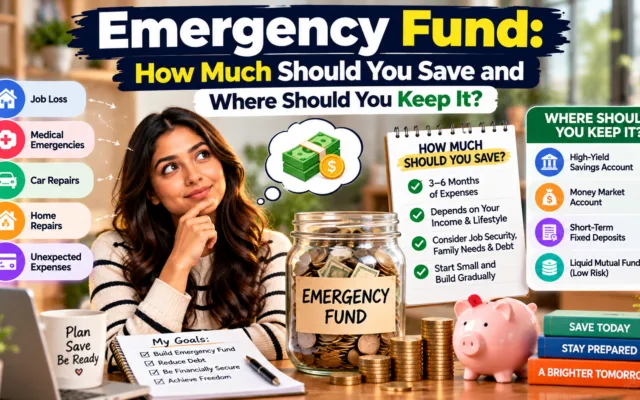
You do not necessarily need to close every card. However, consider using cash or a debit card for everyday purchases while you work on reducing existing debt. If you need a cash cushion first, see our guide to how much emergency savings to hold.
2. List every card and its actual cost
Create a simple debt list with:
- Current outstanding balance
- Annual percentage rate (APR)
- Minimum payment
- Payment due date
- Any promotional rate and its expiry date
This gives you a clear picture of where your money is going. Check the latest statement rather than relying on an old rate or memory.
3. Choose a repayment method
Two common approaches can help:
Debt avalanche: Make the required minimum payment on every card, then put extra money towards the card with the highest interest rate. This can reduce total interest when rates and balances are otherwise comparable.
Debt snowball: Make the required minimum payment on every card, then focus extra money on the smallest balance. Clearing one account can provide motivation to continue.
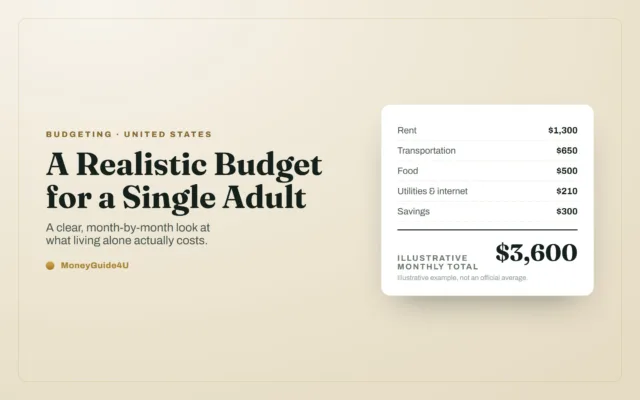
Neither method removes the need to make all required payments. Choose the approach that you can follow consistently. A realistic monthly budget can help you find the extra amount.
If you know you may struggle to pay, contact your card provider as early as possible. Explain your situation and ask whether a temporary payment arrangement, hardship programme or alternative repayment option is available.
The CFPB advises consumers who cannot pay their credit card bills to contact the card company immediately. Be clear about how much you can afford and when your circumstances may improve.
5. Be careful with balance transfers and debt relief offers
A balance transfer may offer a lower promotional rate, but check the transfer fee, promotional period and interest rate that applies afterwards.
Debt consolidation can also be useful in some circumstances, but a lower monthly payment does not automatically mean a lower total cost. A longer repayment term can increase the total interest paid.
Be cautious of companies promising to erase debt or guaranteeing a settlement. Check fees, terms and regulatory status before signing anything.
Suppose you owe $4,000 on a credit card. Your minimum payment is based on the issuer’s terms, and you have enough room in your budget to pay an additional $100 each month.
Instead of spending that extra amount, direct it towards your outstanding balance. The exact repayment time and interest savings depend on your APR, payment rules and future spending. Still, consistently paying more than the minimum can help reduce the balance faster.
Use your card issuer’s repayment calculator or a reliable debt calculator to compare different payment amounts.
Credit card debt rules differ by country
The general principles of budgeting, checking interest and paying on time apply broadly, but consumer protections differ.
- United States: The CFPB provides guidance on credit card statements, interest, minimum payments and payment difficulties.
- Canada: Review your card agreement and consult the Financial Consumer Agency of Canada for information about credit cards and consumer rights.
- United Kingdom: MoneyHelper and the Financial Conduct Authority provide guidance on borrowing and debt support.
- Australia: Moneysmart offers information about credit cards, debt and managing money.
Always check the rules and protections that apply where you live.
Final Thoughts
Credit card debt does not usually become a problem overnight. It often grows through small purchases, unexpected expenses and balances that are carried from one month to the next.
The most useful first step is to understand exactly what you owe. Then stop adding unnecessary purchases, compare interest rates and choose a repayment method you can maintain. These personal finance basics can help with the wider plan.
A realistic plan followed consistently is more useful than a perfect plan that lasts only a week.
Frequently asked questions
Is paying the minimum credit card payment enough?
It may keep the account current if paid by the due date, but it can leave you paying interest for a long time. Paying more than the minimum, when affordable, can reduce the balance faster.
Should I close a credit card to control spending?
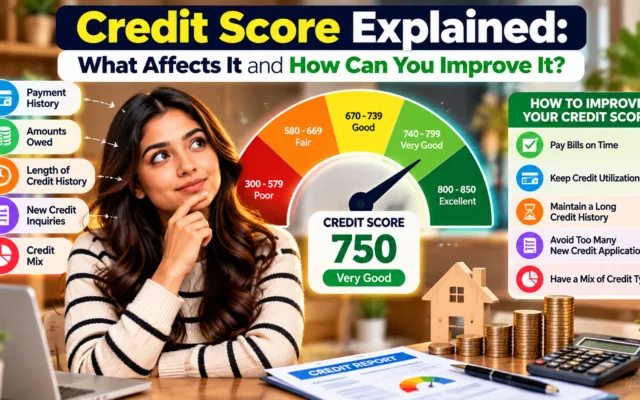
Not automatically. Closing an account may affect your available credit and credit history depending on the country’s credit-scoring system. First consider stopping new purchases and creating a repayment plan. Our credit score guide explains how account changes can matter.
Is a balance transfer always a good idea?
No. Compare the transfer fee, promotional period, post-promotion APR and repayment conditions. A transfer only helps if its total cost is lower and you avoid building new debt.
What should I do if I cannot afford the minimum payment?
Contact your card issuer immediately. Explain what you can afford and ask about hardship options. Consider speaking with a reputable, independent credit counsellor.