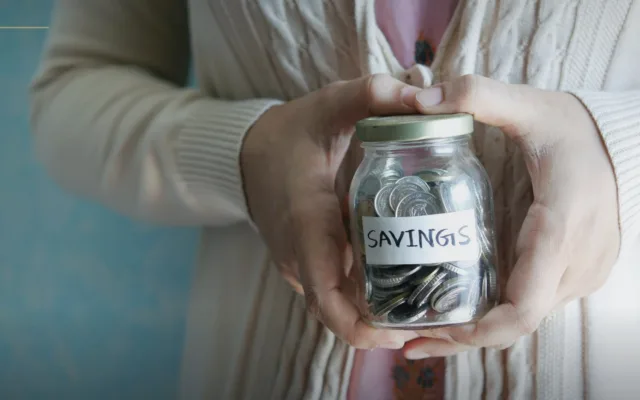
An emergency fund is cash set aside for unexpected necessary expenses. It is not a holiday fund, a new-phone fund or a general investment account. It is a buffer for costs that are unexpected, important and difficult to postpone, such as a car repair, a medical bill, a home repair or a sudden loss of income.
The purpose is simple: when something goes wrong, you have money available without relying on a credit card, a payday loan or an early withdrawal from retirement savings. That gives you more options and can prevent a temporary problem from becoming long-term debt.
What an emergency fund is
The Consumer Financial Protection Bureau (CFPB) describes an emergency fund as a cash reserve specifically set aside for unplanned expenses or financial emergencies. Examples include car repairs, home repairs, medical bills and loss of income.
An emergency fund is different from savings for a planned goal. A holiday, a wedding or a planned home renovation should have its own savings plan. Keeping the two separate makes it easier to see whether you are prepared for a genuine surprise.
Why it matters
Without an emergency fund, an unexpected bill can push a household into expensive borrowing. Credit card interest, late fees and short-term loans can make the original problem more expensive. In a worse case, a household may take money from retirement savings or skip essential bills.
A cash buffer does not solve every financial problem, but it can reduce the chance that one unexpected expense disrupts months of budgeting. It also gives you time to make a considered decision instead of acting under pressure.
How much should you save?
A common planning guideline is three to six months of essential expenses. The right amount depends on your circumstances. You may want a larger buffer if you are self-employed, have dependants, work in an unpredictable industry, have health concerns or rely on a single income.
Start by adding up the costs you must pay each month:
- Rent or mortgage payment
- Groceries and basic household supplies
- Utilities and phone or internet service
- Transport and fuel
- Insurance premiums
- Minimum debt payments
- Essential medical or childcare costs
Suppose those essentials total $3,000 a month. A three-month buffer would be $9,000 and a six-month buffer would be $18,000. That is arithmetic, not a prediction or a rule that fits every household. Use your own expenses.
If saving several months feels unrealistic, start with a smaller target. A starter fund can cover a minor emergency while you build the larger buffer. The important step is to begin and to keep the money separate from everyday spending.
A practical six-month plan
Stage 1: build a starter fund
Choose a first target that you can reach without disrupting essential bills. It could be one week or one month of essential expenses, or a fixed amount that would cover a common emergency. Keep this money in an accessible account.
Stage 2: build the full buffer
Once the starter fund is in place, work toward three to six months of essential expenses. Divide the gap by the number of months you want to take. For example, if you need $6,000 and want to build it over 12 months, the monthly amount is $500 before interest. That is an illustration, not a promise of returns.
Stage 3: automate and review
Set up a recurring transfer on payday, even if the amount is small. The CFPB’s saving tips recommend making saving automatic where possible. Review the balance and your target every few months, and increase the transfer when your budget allows.
Stage 4: use it only for real emergencies
Set a simple rule for what counts as an emergency: unexpected, necessary and urgent. A broken refrigerator may qualify. A planned upgrade does not. If you use the fund, rebuild it as soon as you can.
Where to keep an emergency fund
The money should be safe, accessible and separate from your everyday spending. A savings account at an insured bank or credit union is a common choice. Some people use a money market deposit account or a short-term savings product, but access and penalties matter.
In the United States, FDIC deposit insurance generally covers up to $250,000 per depositor, per insured bank, for each account ownership category, subject to FDIC rules. Check the current coverage for your bank and account type. Credit unions have separate insurance through the NCUA.
Compare accounts on access, fees, minimum balance and the interest rate. A higher rate is useful, but access and insurance matter more for emergency money. Some banks let you create separate savings buckets or nicknames, which can help keep the emergency fund distinct from other goals. Check whether withdrawals are limited and whether a transfer delay could slow you down when you need the cash.
Do not keep the entire fund in a long-term investment or a product with a withdrawal penalty if you may need the money quickly. Investments can fall in value, and an emergency fund should not depend on selling at a good time.
Common mistakes
- Investing the emergency fund in volatile assets where the value can fall when you need it.
- Locking the money in a long-term product with limited access.
- Keeping the fund in the same account you use for daily spending.
- Using the fund for planned purchases and then failing to rebuild it.
- Ignoring deposit-insurance limits when holding a large balance at one bank.
- Waiting for the perfect account instead of starting with a simple, accessible savings account.
If you want to compare savings options after building the buffer, our emergency fund guide and our step-by-step emergency fund guide go into more detail. For a broader plan, see our personal finance basics.
Frequently asked questions
How much should I keep in an emergency fund?
A common guideline is three to six months of essential expenses. The right amount depends on your income stability, dependants, debts, health and other obligations. Start with a smaller target if a full buffer feels out of reach.
Where should I keep an emergency fund?
Keep it safe and accessible, such as in an FDIC-insured savings account or an NCUA-insured credit union account. Compare access, fees and deposit-insurance coverage. Avoid long lock-in periods for money you may need quickly.
Should I invest my emergency fund?
Generally, no. An emergency fund should be available when you need it, and investments can fall in value. Keep the emergency reserve separate from long-term investments.
What if I cannot save much each month?
Start with a small automatic transfer and increase it when your budget allows. Use windfalls such as a tax refund or bonus when appropriate. The goal is a habit and a usable buffer, not a perfect amount on day one.